
When talented and passionate young creatives are given the right tools, mentorship and space to create, their ideas can become more than just ideas.
That was the experience of young refugee and host-community creatives who took part in the So Creative E-learning Programme, an initiative implemented by Voice of Refugee Media (VORM) in partnership with the British Council. Through online learning, weekly mentorship, peer engagement and practical support, the programme equipped participants with creative storytelling, digital and entrepreneurial skills.
For some participants, the programme offered an opportunity to discover, perhaps for the first time, how their ideas and stories could become a creative or entrepreneurial path.
But getting access to opportunities like these has not always been easy for young people in refugee and host communities. Limited access to devices, internet and data costs, language barriers and technical difficulties on the learning platform created obstacles for some participants.
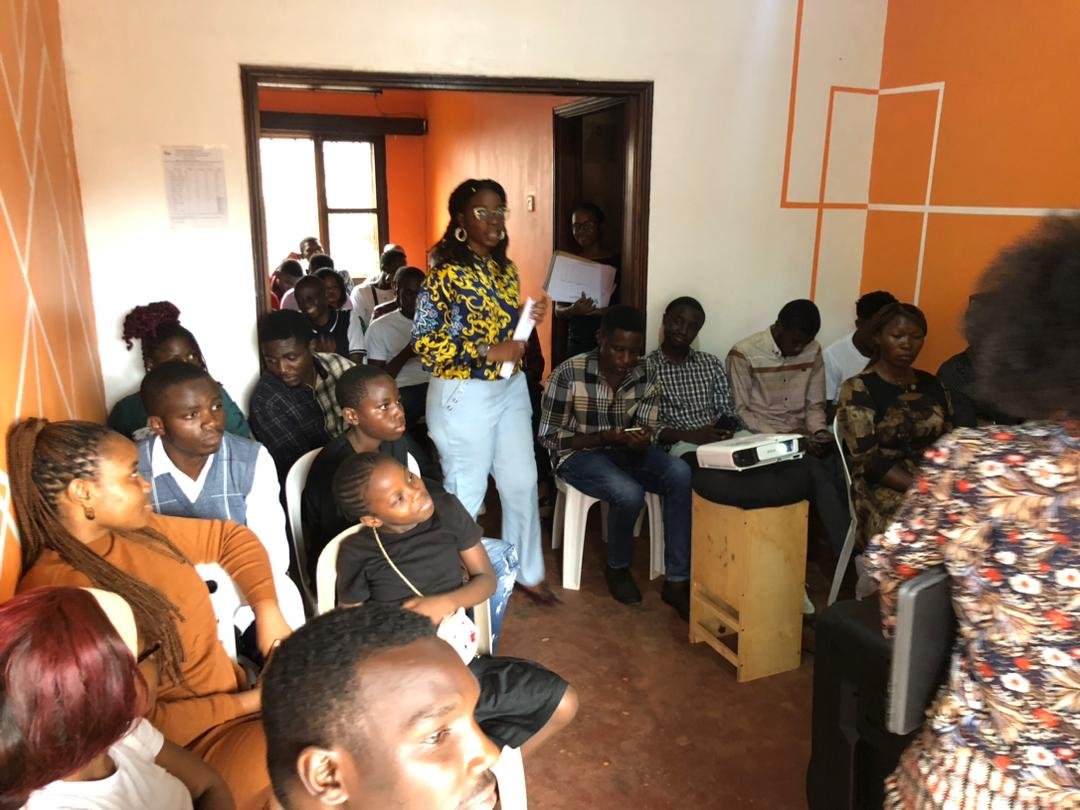
So Creative was designed to create a space where young people could learn, experiment and strengthen their creative abilities. The programme combined online courses with weekly mentorship, peer-to-peer learning, physical support and guest speaker engagements, creating a blended learning experience that allowed participants to receive support both online and in person.
For VORM, the work did not stop at providing an online learning platform. The team continued working with participants step by step, providing physical support and maintaining communication to help ensure that participants were not left behind.
The programme attracted significant interest. Out of 233 applications, 120 young creatives were selected to participate in the cohort. Of those selected, 65% were refugees and 58% were women.
As participants navigated the programme, practical experiences also helped connect what they were learning to opportunities beyond the classroom. A visit to Makerere University’s UNIPOD on March 22, for example, gave participants a practical look at how creative ideas can be developed beyond the learning environment.
Still, completing the programme was not without its challenges. For some participants, barriers to devices, internet access, data costs, language and technical difficulties made it difficult to keep up with the online programme. In response, VORM provided physical support sessions at the VORM Digital Hub, internet support and continued communication with participants.
That additional support made a difference. The number of verified completions increased from 56 to 102 graduates. By the end of the programme, participants had not only completed their learning but had also gained improved skills and confidence, as well as greater awareness of how creative skills could potentially generate income.
For these young creatives, So Creative became more than an online course. It created an opportunity to learn, experiment and begin seeing their creativity as something that could have a place beyond the classroom—and potentially in their livelihoods.
For the young creatives who completed So Creative, the journey was about more than finishing an online programme. It was about having access to the tools, guidance and support needed to turn creativity into possibility.
By creating space for refugee and host-community youth to learn, experiment and connect their ideas to the wider world, VORM helped make that possibility more accessible. The 102 graduates leave with more than new skills; they leave with greater confidence and a better understanding of how creativity can become a pathway to opportunity and potentially income.
What began as an idea for creating greater access to creative learning has, for these young people, become a step towards seeing what their own ideas can become.
