

How refugee communities in Uganda are finding new ways to challenge misinformation and build trust
A message appears on a phone. Someone has says that resettlement interviews are starting. Another person says refugees have been asked to report somewhere for registration. Someone else forwards a message about jobs, education, assistance or a new government requirement.
Within minutes, the message has travelled through WhatsApp groups, family networks and community conversations.
But one question is often missing Is it true? For refugee communities, this question can have serious consequences. Information can determine whether someone drops out of school, responds to a supposed opportunity, seeks a service or makes an important decision about their future.
When information is wrong, the consequences can move quickly from confusion to fear, financial loss, mistrust and even protection risks. This is why information integrity is becoming an increasingly important part of refugee protection and why refugee communities themselves need to be part of the solution.
The people closest to the problem can help solve it
As Vorm a youth led-media initiative in Uganda, we are building our work around this idea.We began with storytelling. In 2023, the organization produced Ntumba: The Refugee Despite Him, a film exploring the experience of displacement from within the refugee community. But filmmaking also revealed a limitation. Some stories can take months to research, produce and release. Some community concerns cannot wait that long.
Information moves every day. That realization contributed to the development of VORM TV—a refugee-led multimedia platform designed to produce timely news, interviews, documentaries and community-focused content while creating opportunities for refugee youth to participate in media production
With support of the UNHCR innovation, Vorm is setting up a dedicated studio space that will complement the information structure and we look forward to training 35 refugee youth have through VORM TV in journalism, filmmaking, editing and the responsible use of emerging technologies, including artificial intelligence.
The ambition is bigger than producing content. It is about creating young people who can become trusted storytellers and responsible information champions within their communities.
From consumers of information to creators of trust
Refugees are often viewed as people who need information but they are also producing, interpreting and sharing information every day.
A young person in a settlement may have hundreds of contacts on WhatsApp. A community leader may receive questions from families before information reaches an aid organization. A young content creator may see a rumour spreading online long before an official response is published.
That proximity matters. UNHCR’s information integrity guidance recognizes that refugee-led organizations can play an important role because they understand the languages, communities and local context in which harmful information spreads. For VORM, this means the response cannot simply be about telling communities what is true.
It must also be about helping communities develop the skills to question, verify and make responsible decisions about what they share.
Building the HAKIKA PLUS habit.VORM is developing this approach through HAKIKA PLUS.
Hakika means “truth” in Swahili.The idea is simple:
Pause → Question → Verify → Reflect → Share Responsibly
Before forwarding a message, people are encouraged to stop and ask:
• Who shared this?
• Where did the information come from?
• Can it be verified?
• What could happen if it is false?
• And perhaps most importantly:
Could my decision to share this information cause harm?
The aim is not to turn everyone into a professional fact-checker.
It is to make responsible information sharing an everyday habit.
Listening before responding
VORM’s approach is also shaped by listening to communities.
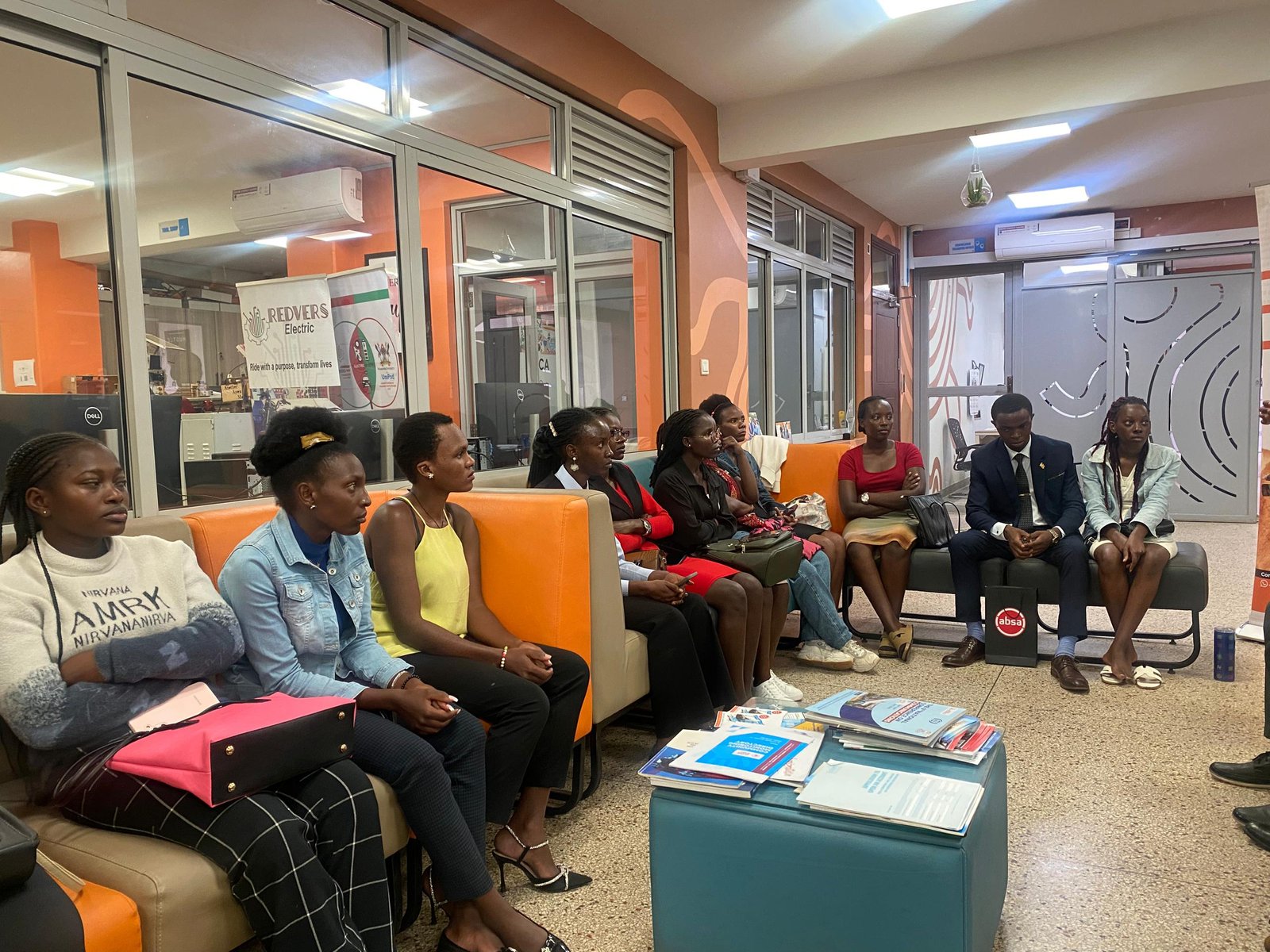
On 2–3 September 2026, VORM participated in UNHCR’s information integrity engagement and the launch of Busara’s research on information integrity in Uganda.
The discussions highlighted a challenge that is easy to overlook: misinformation is not always created by people deliberately trying to deceive others.
• Sometimes people share information because they are uncertain.
• Sometimes they are afraid.
• Sometimes they trust the person who sent it.
• Sometimes accurate information is simply unavailable or difficult to understand.
That is why fighting misinformation requires more than correcting false claims.It requires stronger communication channels, trusted messengers and communities that have the confidence to ask questions.
What comes next
VORM wants to take this work further. The organisation aims to develop a network of more than 100 refugee and host-community information champions, produce regular short videos, photo stories and radio content and create community channels where people can raise questions and report emerging rumours.
Through VORM TV and its digital platforms, the organization also aims to expand the reach of reliable, community-informed content and explore opportunities for radio and television broadcasting.
The work will require partnerships with humanitarian organizations, researchers, media houses, technology companies, government institutions and donors.
No single organization can repair an information ecosystem alone. The story refugees tell about themselves matters,
